
Diablo II first launched in 2000, and its item designs still influence fantasy games decades later. Few titles prove that digital objects can feel timeless. Weapons, armor, and runes in Diablo II Resurrected carry visual weight, history, and mood. They feel intentional, almost personal, as if shaped by artists rather than assembled by code.
This lasting appeal explains why many players actively seek specific Diablo 2 resurrected items instead of waiting for random drops. Each piece tells a story through color, symbol, and form. Collecting them feels closer to curating an art shelf than chasing loot. The emotional pull is strong, especially for players who grew up with the original game.
Dark Fantasy Roots That Shape Every Item
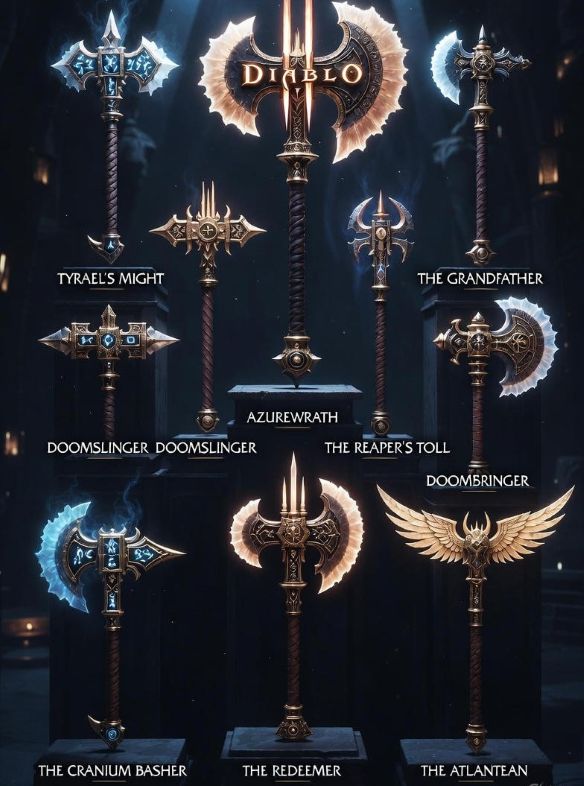
The visual language of Diablo II Resurrected draws heavily from classic dark fantasy art. Influences include medieval manuscripts, gothic architecture, and grim oil paintings. Items look worn and battle-tested. Edges are chipped. Metals appear heavy. Nothing feels clean or polished.
This design choice creates believability. A sword does not glow for attention. It earns its presence through texture and detail. Armor sets feel forged by unknown hands in forgotten places. That sense of age gives each item quiet authority, even before players read its stats.
Symbols, Runes, and Meaning
Runes are a perfect example of visual storytelling. Their symbols resemble ancient scripts rather than decorative icons. Each mark suggests power that must be understood, not just used. Players learn to recognize them by shape and tone, the same way art collectors recognize signatures.
Legendary items follow similar logic. Names, colors, and silhouettes work together. A unique shield looks defensive before its description appears. A cursed blade feels dangerous at first glance. This clarity helps items communicate identity without explanation.
Why Rarity Feels Earned, Not Random
Rarity in Diablo II Resurrected feels meaningful because it is tied to design. Rare items look rare. Unique items stand apart visually. There is no confusion between common gear and prized finds. That visual separation builds respect for the item before it is equipped.
Because of this, collecting Diablo 2 resurrected items becomes about preference, not just power. Some players chase efficiency. Others chase beauty. Both approaches are valid. The game quietly supports each one.
Digital Items as Personal Collections
Players often talk about their favorite items the way others talk about art pieces. They remember where they found them. They remember how long they searched. They remember the feeling of finally holding them. In the traditional art world, questions of authenticity and value are constant, especially when dealing with art forgeries in the market, which makes the transparency of digital collections feel refreshingly honest.
This mindset explains the growth of trusted marketplaces. Platforms exist to reduce endless grinding and let players focus on building the collection they want. It is less about shortcuts and more about intention. Players choose items that match their taste and play style.
Over time, inventories become curated spaces. Every piece has a reason to be there. Some items are used. Others are admired. Both have value.
Why These Designs Still Matter
Many modern games chase complexity or realism. Diablo II Resurrected stays memorable by staying focused. Its items do not try to impress with excess. They rely on mood, balance, and restraint.
This approach keeps the game visually readable and emotionally grounded. Players feel connected to their gear because it feels grounded in a world with rules and history. That connection is rare and hard to replicate.
Conclusion
Diablo II Resurrected proves that virtual gear can carry artistic value beyond gameplay. The careful design of Diablo 2 resurrected items turns equipment into symbols of taste, memory, and identity. They are not just tools. They are collectible masterpieces shaped by art, history, and player passion.