
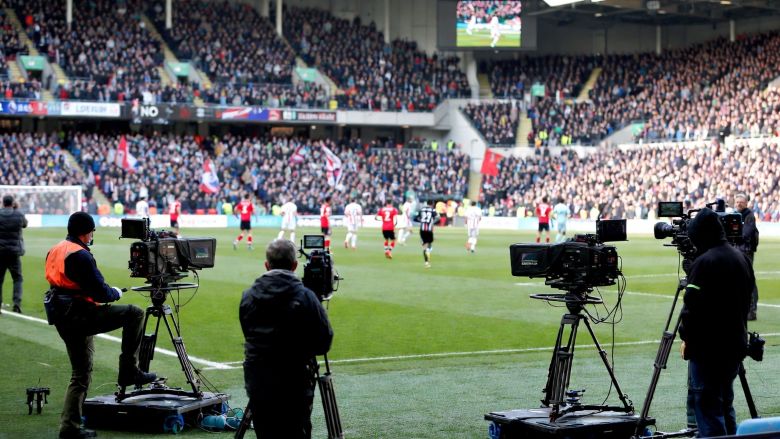
The English Premier League reaches billions of homes each season, making it one of the most watched competitions in global sport. Yet the power of the league does not rest on goals alone. Great broadcasting is an art form that shapes how fans feel, react, and remember each match.
Modern EPL Broadcast (EPL중계) platforms such as Royal TV show how sports coverage has evolved into a carefully crafted visual experience. From multi-angle replays to animated graphics and polished studio analysis, every detail works together to build drama. Viewers are not simply watching 22 players chase a ball. They are entering a designed narrative built through camera language, sound, and digital design.
The Camera as a Storyteller
Every match begins with wide stadium shots. These opening frames establish scale, crowd energy, and weather conditions. Directors then shift to tight close-ups of managers like Pep Guardiola or Jürgen Klopp, capturing tension before kickoff. These choices guide emotion long before the first pass.
During play, camera operators follow movement with smooth tracking shots. High tactical angles reveal team shape. Low sideline views intensify speed and contact. Slow-motion replays isolate key moments, a sliding tackle, a fingertip save, a striker’s finish. Each replay is edited with purpose. The goal is clarity, but also drama.
Creative direction plays a central role here. Producers decide when to linger on a disappointed defender or when to cut to celebrating supporters. These visual decisions shape how audiences interpret the action. A goal becomes a story, not just a statistic.
Graphics and Overlays as Design Elements
On-screen graphics may seem technical, yet they are part of the artistic frame. Scoreboards, time clocks, player stats, and heat maps are designed with color, spacing, and motion in mind. Clean typography ensures readability. Subtle animation keeps the screen dynamic without distracting from the match.
Premier League broadcasts often use bold team colors and sleek transitions to maintain brand identity. The visual package is consistent across stadiums and matchdays. This cohesion builds trust and familiarity. Fans instantly recognize the look and feel of a top-tier Sports Broadcast.
Royal TV reflects this approach by organizing overlays in a balanced layout. The screen never feels crowded. Instead, data appears at the right moment, then fades smoothly. Such restraint shows that good design is about timing as much as style.
Sound, Commentary, and Emotional Rhythm
Visual storytelling does not work alone. Commentary teams add texture and meaning. Broadcasters like Martin Tyler and Peter Drury have shown how tone and pacing heighten tension. A rising voice during a counterattack mirrors the surge of the crowd. A brief pause after a missed chance lets the silence speak.
Microphones capture chants, referee whistles, and the thud of the ball. Audio mixing balances clarity with atmosphere. Together, these elements create rhythm. The match flows like a live drama with peaks, pauses, and climaxes.
When paired with thoughtful visuals, commentary deepens viewer perception. Fans feel closer to the pitch. They understand tactical shifts and emotional stakes. The result is immersion rather than passive viewing.
How Art and Design Shape Perception
Design influences how audiences judge performance. A replay shown from a dramatic low angle can make a goal look unstoppable. A graphic highlighting distance covered can elevate appreciation for a midfielder’s work rate. Presentation affects memory.
Color grading also plays a subtle role. Bright greens make the pitch vibrant. Balanced contrast ensures players stand out against the crowd. These adjustments are technical, yet they influence mood and clarity.
Studies in media psychology suggest that viewers respond strongly to visual framing. When production quality is high, audiences perceive the event as more prestigious, similar to how game design and player engagement shape experience in other competitive arenas such as The Art of Gaming in League of Legends. That perception strengthens league branding and viewer loyalty.
Improving Live Sports Broadcast Through Creative Direction
The future of live coverage depends on innovation. Augmented reality graphics now map passing lanes and offside lines in real time. Tactical breakdowns use virtual boards to explain formations. Drone cameras provide sweeping aerial views of stadiums.
Creative teams must balance technology with simplicity. Too many effects overwhelm the eye. The best broadcasts focus on clarity first, then enhancement. Royal TV demonstrates that thoughtful editing and clean design elevate the entire experience.
Training directors, camera crews, and graphic designers together can strengthen consistency. Collaboration ensures that storytelling feels unified. When visuals, sound, and data move in harmony, viewers stay engaged longer.
Beyond Footage, Toward Experience
Football remains the heart of the show. Still, the artistry behind the EPL Broadcast transforms raw action into a shared cultural event. Every angle, overlay, and line of commentary contributes to a larger narrative arc. Matches become episodes in a season-long story filled with rivalry and redemption.
Great broadcasting respects the game while enhancing its emotional weight. It turns ninety minutes into a cinematic journey. As technology advances and platforms like Royal TV continue refining creative direction, the art of sports streaming will keep evolving. The pitch is the stage, and the broadcast is the lens through which the world experiences it.